Skip to content

Across Flores: a compilation

Flores_1

The year was 1512. A Portuguese expedition was rounding the eastern cape of a distant Indonesian isle in search of spices and sandalwood, when its sailors sighted a blazing display of Royal Poinciana marching up the slopes in full bloom. The fiery red blossoms so impressed the visiting explorers that they gave the mysterious island a new name. From that day on, it would be known as Cabo das Flores, ‘Cape of Flowers’. Read more

Fire and passion at Uluwatu

Uluwatu_1

The brand new toll road rose over the middle of Benoa Bay, passing mangrove swamps, a lonely spirit house in the tidal flats, and the airport runway at Ngurah Rai. It deposited our guide Bli Komang, Bama and I onto the top end of the Bukit Peninsula, where a traffic-snarled road lined with billboards would ultimately lead to the temple of Uluwatu. Read more

A temple trio: Besakih and beyond

Pura_1

As we trundled down a busy artery towards Sanur, a mellow beach town in southern Bali, I grasped at the scant words I knew flowing back and forth between Bama and Bli Komang.

“Before becoming a driver, he used to be a sculptor,” Bama relayed. We soon learned that Bli Komang hailed from a village of stone carvers, and that the Balinese love of art – such an integral part of their culture – was instilled in him from an early age. According to Bli Komang, all Balinese students had to choose from four kinds of traditional arts: dance, painting, decorative sculpture, and carving statues. Read more

The treasures of Ping Shan

Ping Shan_1

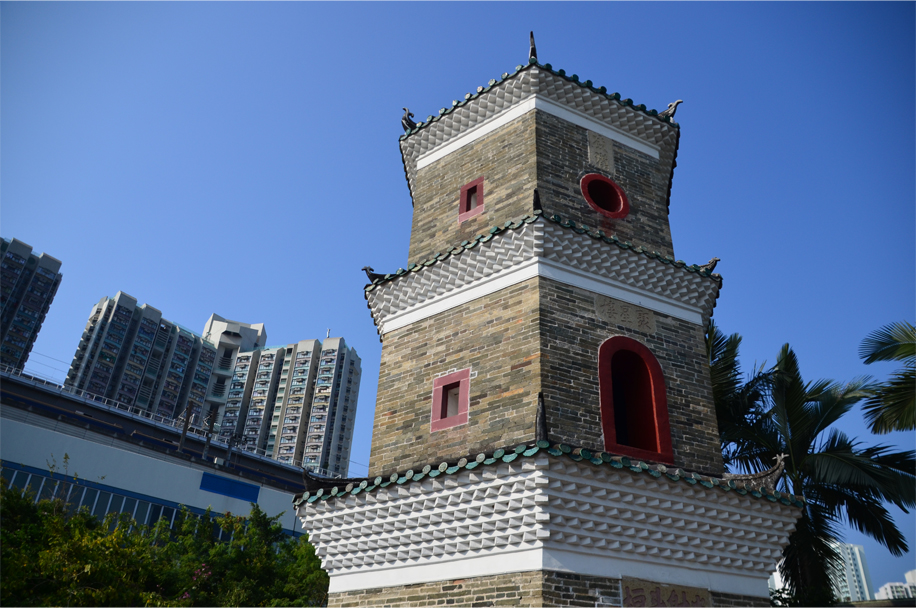
Long before the British set foot on Hong Kong’s shores, five great family clans took root in the New Territories. Of these, the oldest and most influential was the Tang, with a history of local settlement going back 900 years. It is a lineage rich in tradition and folklore: one branch even claims royal descent, thanks to an ancestor who married a princess as the court fled southwards ahead of the Mongol army. Read more

25 years of mourning

Tiananmen Vigil_1

One by one the candles were lit, a steady stream that ran across the six football pitches stretching the width of Victoria Park, spilling over into the nearby basketball courts and central lawn. For the first time I was attending Hong Kong’s annual vigil commemorating the Tiananmen massacre of June 4, 1989, in the middle of a crowd numbering over 180,000 by organisers’ estimates. Read more

Eastern Eden: the gardens of Karangasem

Karangasem_1

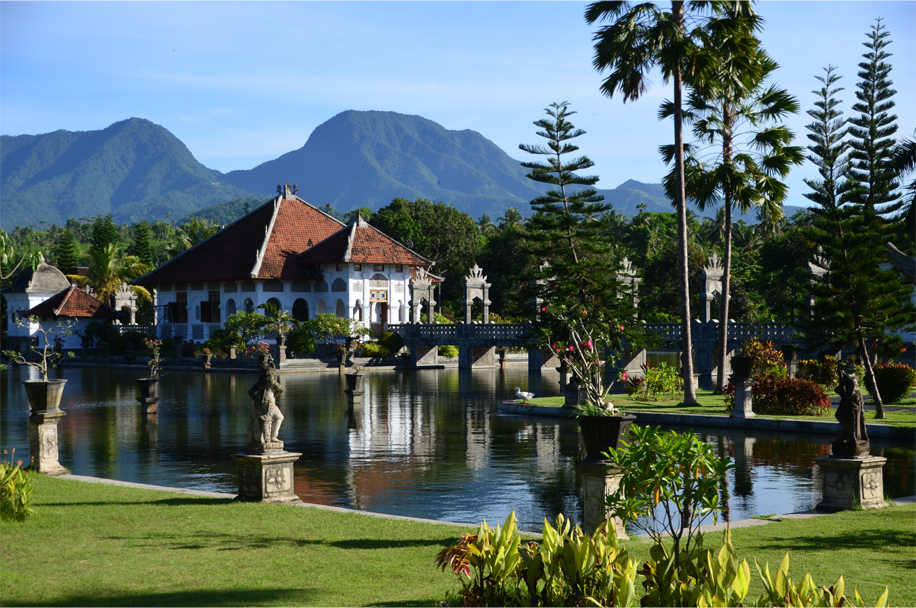
Bama was convinced. After five visits to Bali, he had just found his favourite place on the island. At a quarter to eight we were among a small handful of visitors in the grounds of Taman Sukasada Ujung, a water palace and pleasure garden once built for the local king. Read more

Barong: Bali’s dance of the friendly lion

Barong_1

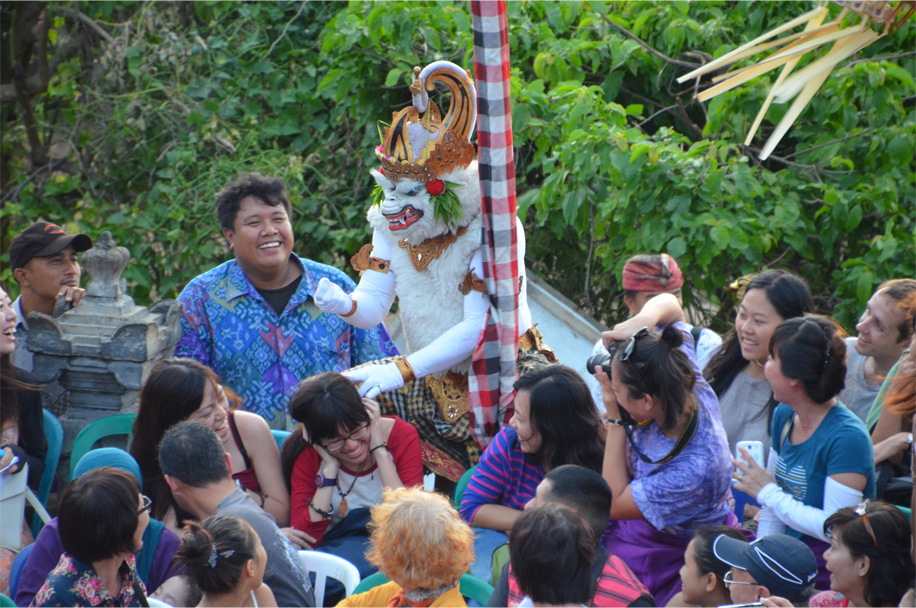
From the dawn of recorded history, one of humankind’s most enduring narratives has been the eternal battle between good and evil. In Balinese tradition this is expressed in Barong dance, named after the mythical king of the spirits who leads his followers in the fight against demon queen Rangda. Read more

Lai Chi Wo: a near-empty nest

Lai Chi Wo_1

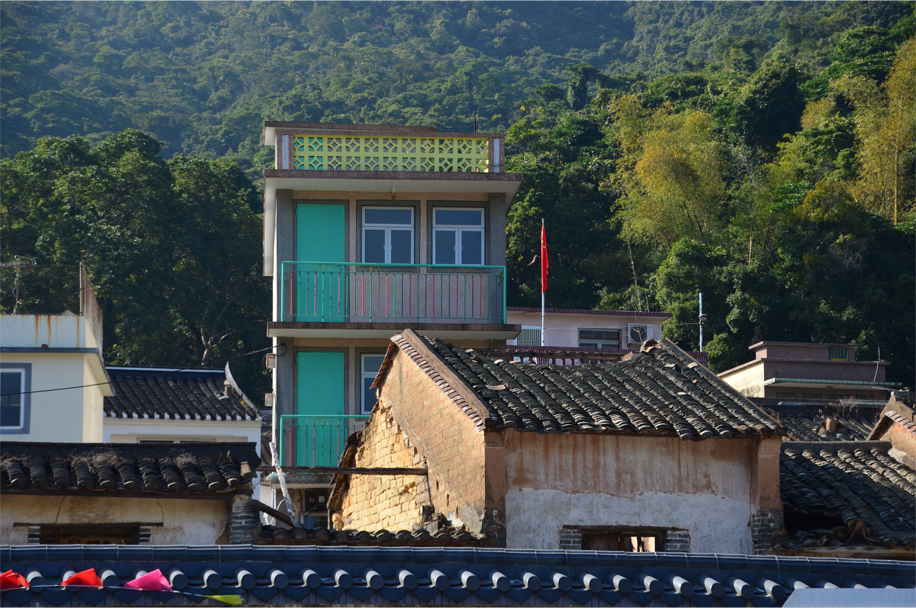
Deep inside the northeastern New Territories, within sight of Mainland China, the Hakka village of Lai Chi Wo remains eerily quiet on the first day of Chinese New Year. Even on this day of celebration, the village exists in a semi-abandoned state, with the confetti-like remnants of firecrackers scattered at the threshold of several houses. Read more

Stanley: vestiges of the past

Stanley_1

When family friends and relatives are in town, my father makes it a point to take them to Stanley. He goes not for its famous street market – where stacks of knickknacks and souvenirs can be found – but to soak up the town’s ambiance and history. Read more

Postcards from Lamma

Fish farms and restaurants, Sok Kwu Wan

The last time I set foot on Lamma Island, before taking Bama there this Chinese New Year, was at least four or five years ago on a boat trip with a pack of old friends. The name Lamma, literally ‘Southern Y’ in Cantonese, is a reference to the heavily indented coastline which resembles two forks, one pointing northwards and the second facing east. Read more