Skip to content

Posts tagged ‘Bali’

Bali’s secret sanctuary
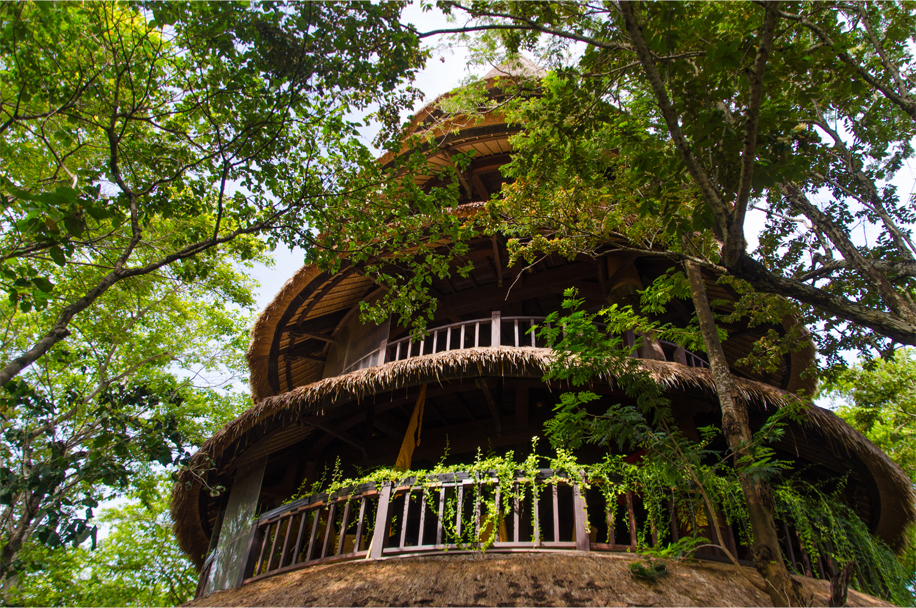
The Menjangan_1

The rambling, stony trail beckons us deeper into the forest. Three identical wooden gateways stand straight ahead, pure Japanese in their simplicity, the green and gold patterns on their rough-hewn columns evoking the hollyhock crest of the Tokugawa shoguns. But this is Indonesia, and instead of a perfectly manicured landscape of framed views, Bama and I are about to discover a different kind of serenity. Read more

How to read a Balinese temple

North Bali temples_1

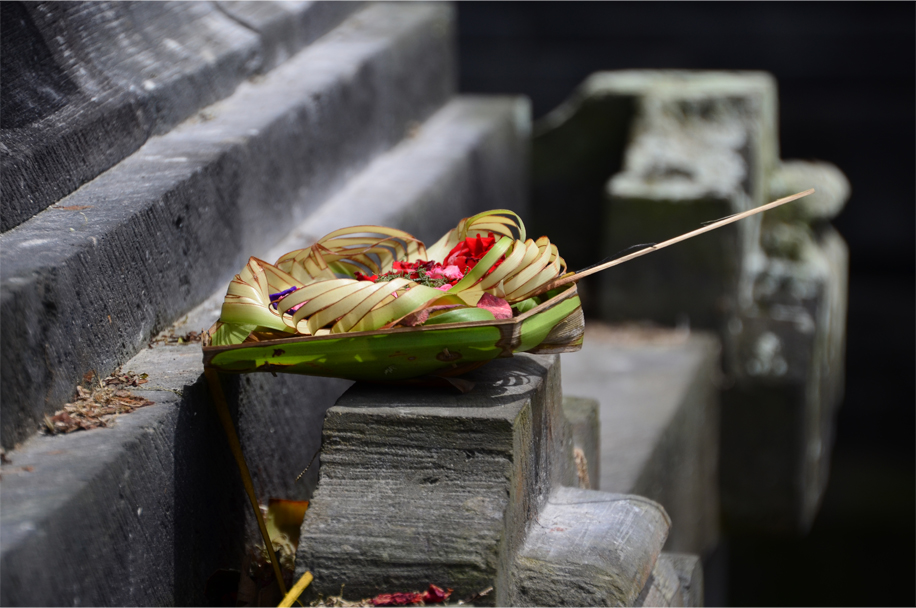
The cyclist is frozen mid-pedal, against a luxuriant backdrop of flowers spreading up into the sky. He appears wide-eyed, the traces of a moustache above his lips, and a full head of hair crowned with the folds of a Balinese udeng. Read more

Indonesia: a culinary journey

Kuliner_1

“Congratulations!” Bama smiled, his eyes lighting up as he spoke. “You’re officially Indonesian.”

But there was no revocation of passports, no oath of citizenship to a new country. I had simply confessed my newfound love of ikan asin, a humble assortment of dried fish that crackled with each bite. Served with roasted peanuts, the sweet-savoury combination was so enticing that I truthfully told Bama, “I could just have it with rice.” Through these words I had unknowingly echoed the exact sentiment shared by thousands – if not millions – of diners across his native archipelago. Read more

Fire and passion at Uluwatu

Uluwatu_1

The brand new toll road rose over the middle of Benoa Bay, passing mangrove swamps, a lonely spirit house in the tidal flats, and the airport runway at Ngurah Rai. It deposited our guide Bli Komang, Bama and I onto the top end of the Bukit Peninsula, where a traffic-snarled road lined with billboards would ultimately lead to the temple of Uluwatu. Read more

A temple trio: Besakih and beyond

Pura_1

As we trundled down a busy artery towards Sanur, a mellow beach town in southern Bali, I grasped at the scant words I knew flowing back and forth between Bama and Bli Komang.

“Before becoming a driver, he used to be a sculptor,” Bama relayed. We soon learned that Bli Komang hailed from a village of stone carvers, and that the Balinese love of art – such an integral part of their culture – was instilled in him from an early age. According to Bli Komang, all Balinese students had to choose from four kinds of traditional arts: dance, painting, decorative sculpture, and carving statues. Read more

Eastern Eden: the gardens of Karangasem

Karangasem_1

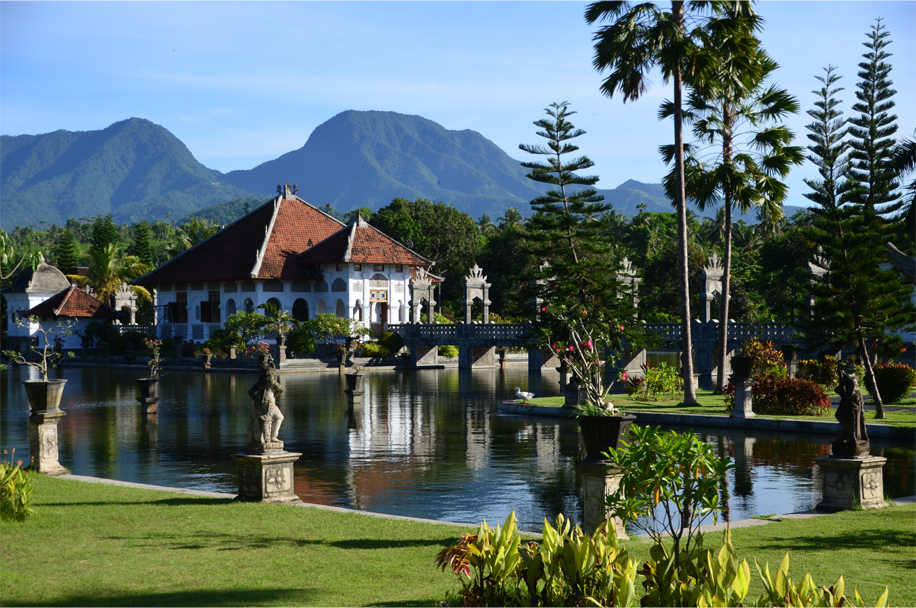
Bama was convinced. After five visits to Bali, he had just found his favourite place on the island. At a quarter to eight we were among a small handful of visitors in the grounds of Taman Sukasada Ujung, a water palace and pleasure garden once built for the local king. Read more

Barong: Bali’s dance of the friendly lion

Barong_1

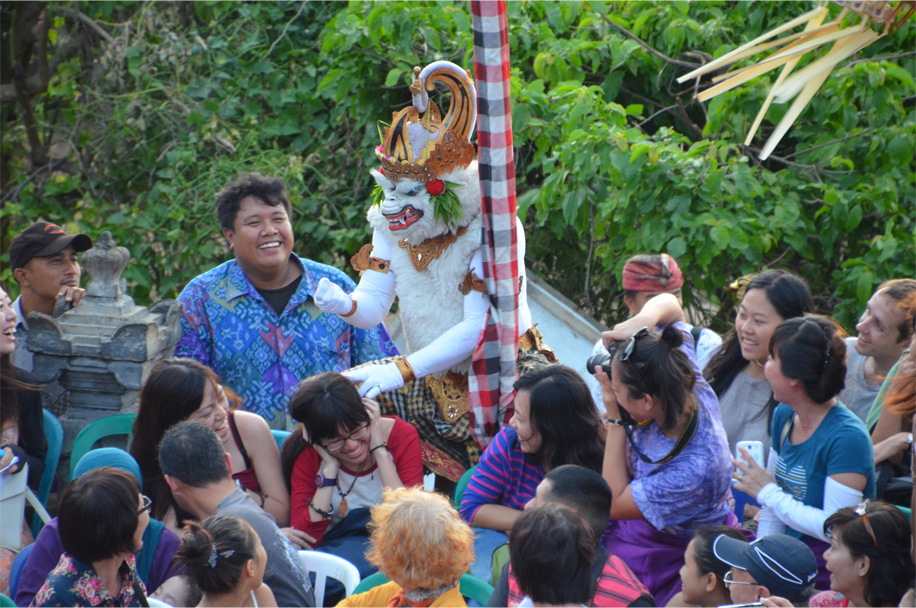
From the dawn of recorded history, one of humankind’s most enduring narratives has been the eternal battle between good and evil. In Balinese tradition this is expressed in Barong dance, named after the mythical king of the spirits who leads his followers in the fight against demon queen Rangda. Read more

Harvest time at Jatiluwih

Rice terraces of Jatiluwih

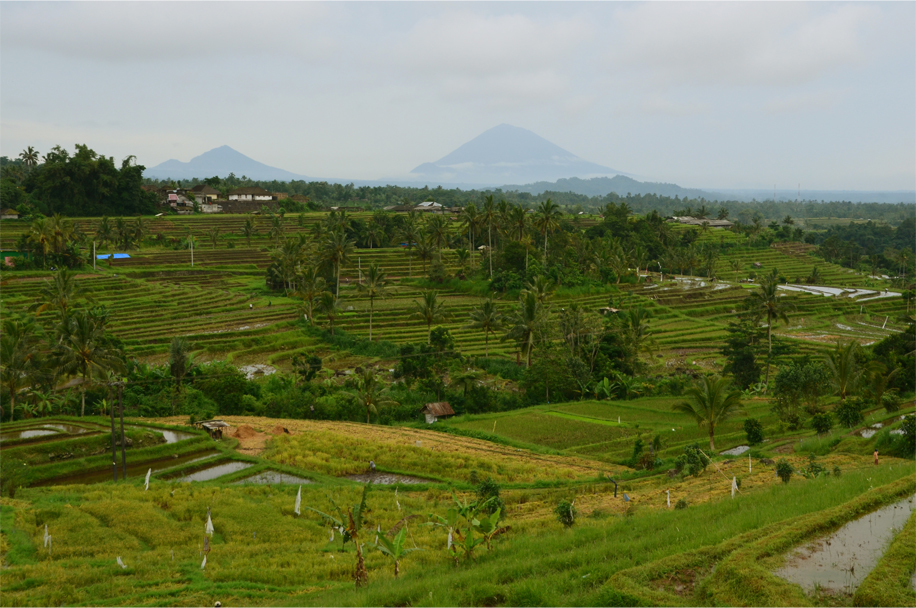
We left Ubud at six in the morning, stomachs empty and eyes still heavy with sleep. Bli Komang had the habit of showing up half an hour early, which Bama and I saw as a chance to gain extra time before the afternoon rains. Both of us admired Bli Komang’s work ethic. “I’d rather be the one waiting than the guest,” he said. Read more

Balinese feasts: a taste of abundance

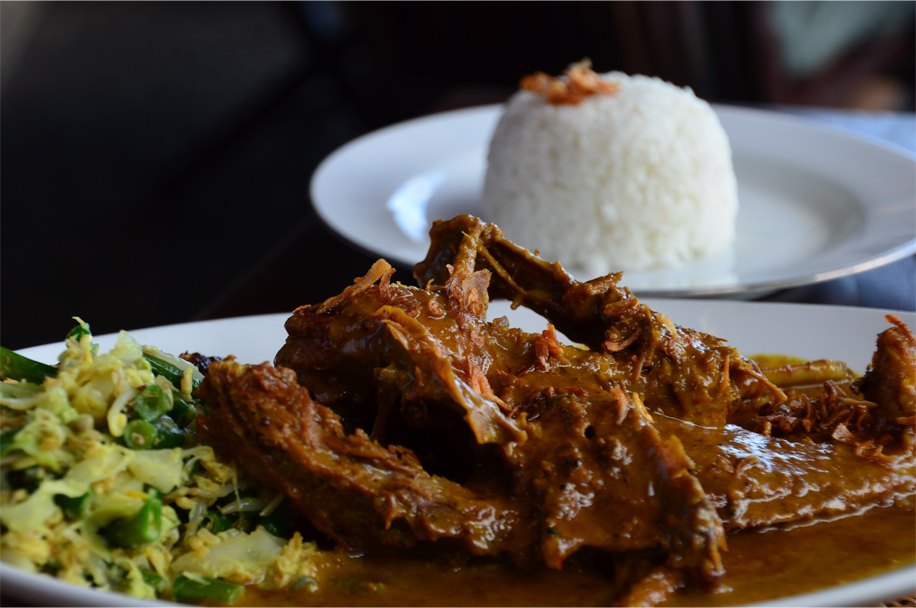
Smoked duck and lawar at Bebek Joni

Bli Komang turns to me and laughs. I am sitting beside him, sweat trickling down my face, inside a dimly lit warung on a main road in Sanur. Outside there is little to distinguish the restaurant from others save a baby blue sign proclaiming “HANDAYANI”, its bolded letters above a photo cutout of babi guling, Balinese suckling pig.

Read more

Hidden carvings and a bronze moon

Yeh Pulu Pejeng_1

Off in the distance, a lone farmer waded foot-deep in the paddy fields, scattering nutrients over the rows of young shoots. The bucolic scene was but a short distance from Goa Gajah, the ‘Elephant Cave’, down a series of narrow roads lined by red brick walls, past an airy pavilion where local women in kebaya sat preparing food for a ceremony. Read more